Source Heart Star Denim Embroidery Patch for Bags, Shoes, and Art
Find 30 options for the heart star denim embroidery patch, featuring stick-on and sew-on styles in various colors and shapes. Compare specifications from suppliers in China to select the right fabric accessories for garment, shoe, and bag decoration projects; compare the available evidence and request quotations based on your requirements.
Key considerations
Products List
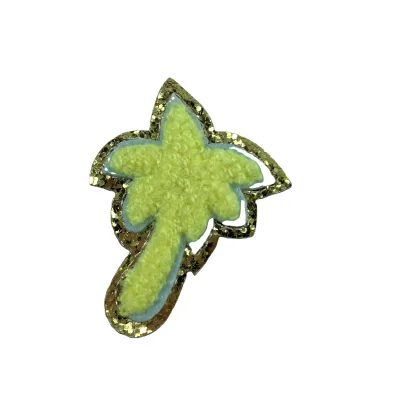
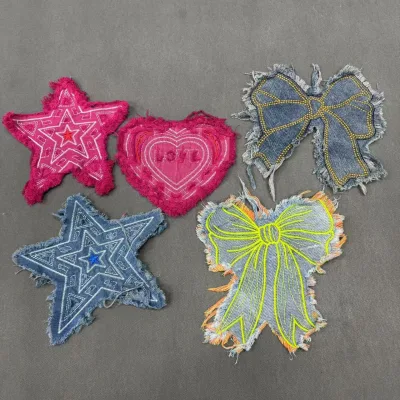
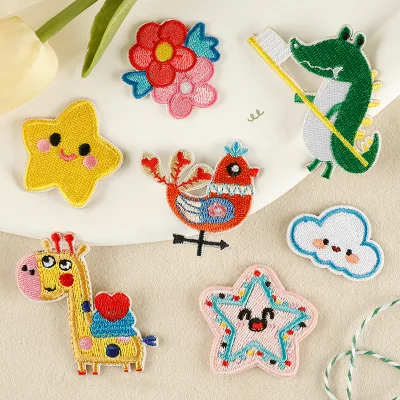
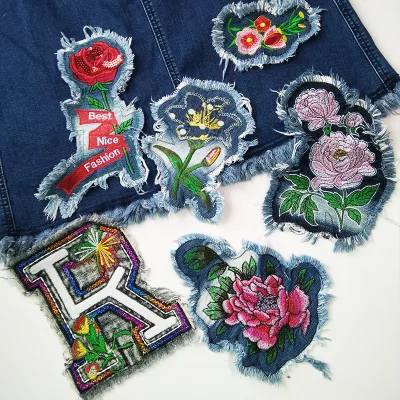
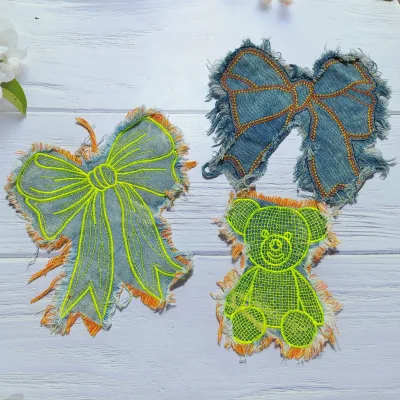


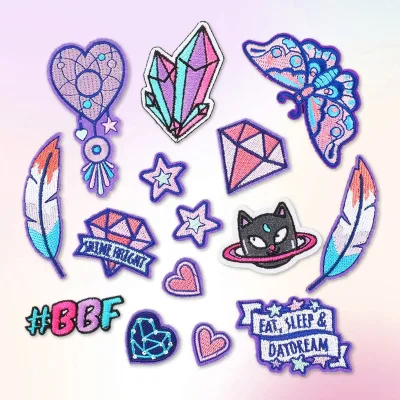


Comprehensive Sourcing Guide
Heart Star Denim Embroidery Patch Sourcing Guide
Sourcing heart, star, and denim embroidery patches requires a clear understanding of the diverse product landscape available from manufacturers, particularly those originating from regions like Zhejiang and other parts of China. Buyers must navigate a market where product attributes vary significantly, ranging from simple fabric stickers to complex embroidered designs with laser-cut edges. The observed listings indicate a wide array of options, including specific styles such as "ZSY star denim patches" and generic "cartoon theme stock" items. This variety means that a one-size-fits-all approach to procurement is ineffective. Instead, buyers need to carefully distinguish between patches intended for garment decoration, bag accessories, and art projects. The core keyword highlights specific shapes and materials, but the actual supply chain offers much more nuance in terms of backing types, thread quality, and border finishes.
To succeed in this category, procurement teams must establish precise technical requirements before engaging with suppliers. The data shows that products can be made from various materials, including pure fabric, denim, or a combination of thread and fabric. Some items feature stick-on backing for immediate application, while others are designed for sewing onto garments. Understanding these distinctions is critical for ensuring the final product meets the end-user's needs. For instance, a patch intended for high-wear denim jackets requires different durability standards than one used for temporary bag decoration. Buyers should also pay close attention to the specific shapes offered, such as hearts, stars, and bows, as well as the color options, which can range from customized colors to mixed sets. This attention to detail ensures that the selected patches align with the brand’s aesthetic and functional requirements.
Product Scope and Observed Listing Signals
The current market for heart and star denim embroidery patches exhibits a broad spectrum of product types, each with distinct characteristics that influence their suitability for different applications. Listings reveal products with specific model numbers, such as ANY-0016, and various packaging details, including individual OPP bags or bulk batches. The observed price range of 0.03 to 1.99 USD suggests a highly competitive market with options for both budget-conscious buyers and those seeking premium quality. However, price alone is not a reliable indicator of value; buyers must consider the material composition, such as the use of denim versus standard fabric, and the complexity of the embroidery work. Some products are described as "eco-friendly," which may appeal to brands with sustainability goals, while others focus on decorative elements like lace or laser edges.
Observing the minimum order quantities (MOQs) provides insight into the supplier’s operational flexibility and target customer base. The data indicates MOQs ranging from as low as 1 piece to as high as 2000 pieces, with common thresholds at 20, 50, and 100 pieces. This variability allows buyers to test new designs with small orders before committing to larger production runs. Additionally, sample lead times of 7-10 days are typical, enabling quick validation of product quality and design accuracy. Buyers should note that some suppliers offer customized colors and shapes, which can be crucial for brand differentiation. Understanding these signals helps in selecting suppliers who can accommodate both small-scale testing and large-scale production needs without compromising on quality or delivery timelines.
Technical Specifications to Verify
Verifying technical specifications is paramount to ensuring that the embroidery patches meet the intended application standards. Buyers must confirm the material composition, whether it is pure fabric, denim, or a blend of thread and fabric, as this affects durability and appearance. The backing type is another critical specification; some patches feature stick-on backing for easy application, while others require sewing. The border finish, such as laser-cut edges, can impact the patch’s longevity and aesthetic appeal. Additionally, the size of the patches varies, with some listings specifying dimensions like 3.8-6.2 cm or larger sizes around 23x23 cm. Buyers should request detailed size charts and sample images to ensure the patches fit their design requirements.
The embroidery technique and thread quality are also essential factors to verify. High-quality embroidery ensures that the design remains intact after multiple washes and wears. Buyers should inquire about the thread type and density, as these factors influence the patch’s texture and visual impact. Furthermore, the shape of the patches, whether heart, star, or bow, must align with the brand’s design language. Some suppliers offer mixed color sets, which can be convenient for diverse projects, while others provide customized color options for specific branding needs. By thoroughly verifying these technical specifications, buyers can avoid costly mistakes and ensure that the final products meet their quality and aesthetic expectations.
Compliance and Safety Documentation
Compliance and safety documentation are critical components of the procurement process, especially when embroidery patches are intended for use on children’s clothing or items that come into direct contact with the skin. Buyers must ensure that the materials used, such as the fabric and thread, meet relevant safety standards to prevent any health risks. While specific certification statuses are not provided in the observed listings, buyers should request documentation from suppliers to verify compliance with international safety regulations. This may include tests for formaldehyde content, pH levels, and colorfastness, which are common requirements for textile products. Ensuring that the patches are free from harmful substances is essential for maintaining brand reputation and avoiding legal issues.
In addition to material safety, buyers should also consider the environmental impact of the production process. Some suppliers market their products as "eco-friendly," which may indicate the use of sustainable materials or environmentally conscious manufacturing practices. Buyers interested in sustainability should request detailed information about the supplier’s environmental policies and certifications. This could include certifications related to organic materials, recycled content, or responsible dyeing processes. By prioritizing compliance and safety, buyers can protect their brand from potential liabilities and appeal to increasingly environmentally conscious consumers. It is also advisable to include compliance requirements in the contract with suppliers to ensure accountability and adherence to agreed-upon standards.
Cost Drivers and Commercial Terms
Understanding the cost drivers and commercial terms is essential for effective budgeting and negotiation in the embroidery patch market. The observed price range of 0.03 to 1.99 USD reflects various factors, including material quality, embroidery complexity, and order volume. Buyers should recognize that lower prices may correspond to simpler designs or lower-quality materials, while higher prices often indicate premium features such as custom colors, intricate embroidery, or eco-friendly materials. Minimum order quantities (MOQs) also play a significant role in pricing, with larger orders typically benefiting from economies of scale. Buyers should negotiate MOQs and pricing based on their specific needs, considering the balance between cost efficiency and inventory management.
Commercial terms, such as payment methods, shipping options, and lead times, are equally important to consider. The observed sample lead times of 7-10 days suggest that suppliers can provide quick turnaround for prototypes, which is beneficial for design validation. However, bulk production lead times may vary, and buyers should clarify these timelines to ensure timely delivery. Payment terms, such as deposits or letters of credit, should be negotiated to mitigate financial risk. Additionally, buyers should consider the total cost of ownership, including shipping and handling fees, which can significantly impact the final cost. By carefully evaluating these commercial terms, buyers can optimize their procurement strategy and achieve better value for their investment.
Supplier Qualification and Quality Control
Supplier qualification and quality control are vital steps in ensuring the reliability and consistency of embroidery patch supplies. Buyers should conduct thorough due diligence on potential suppliers, verifying their business credentials, production capabilities, and quality management systems. This may include reviewing their factory audits, certifications, and past performance records. Suppliers with a strong track record in producing high-quality embroidery patches are more likely to deliver products that meet the buyer’s expectations. Additionally, buyers should assess the supplier’s ability to handle customization requests, such as specific shapes, colors, and designs, which are common in this market.
Quality control measures should be established to monitor the production process and ensure that the final products meet the specified standards. This may include implementing inspection protocols at various stages of production, such as raw material inspection, in-process checks, and final product verification. Buyers should also request samples before placing large orders to evaluate the quality of the embroidery, material, and backing. Feedback from these samples can help identify any potential issues and allow for adjustments before mass production. By prioritizing supplier qualification and quality control, buyers can minimize the risk of receiving substandard products and maintain a consistent supply of high-quality embroidery patches.
Long-Term Procurement Checks
Long-term procurement checks are necessary to maintain a sustainable and efficient supply chain for heart and star denim embroidery patches. Buyers should regularly review supplier performance, assessing factors such as delivery times, product quality, and responsiveness to issues. This ongoing evaluation helps identify any trends or recurring problems that may require corrective action. Additionally, buyers should stay informed about market trends and technological advancements in embroidery production, which may offer new opportunities for cost savings or product improvement. Engaging in continuous dialogue with suppliers can foster stronger relationships and lead to better collaboration on future projects.
Furthermore, buyers should periodically reassess their sourcing strategy to ensure it aligns with their business goals and market demands. This may involve exploring new suppliers, negotiating better terms, or diversifying the product portfolio to include new designs or materials. By maintaining a proactive approach to procurement, buyers can adapt to changing market conditions and continue to meet the evolving needs of their customers. Long-term checks also include monitoring compliance with regulatory changes and sustainability standards, ensuring that the supply chain remains ethical and responsible. Through diligent long-term procurement checks, buyers can build a resilient and competitive supply chain that supports their brand’s growth and success.
FAQs
What materials are used for heart star denim embroidery patches?
These patches are crafted from fabric and thread, with denim being a primary fabric type. The construction involves embroidered techniques to create durable designs. This combination ensures the patches are sturdy enough for garment, shoe, and bag applications while maintaining a high-quality aesthetic finish for various decoration needs.
How can I attach heart star denim embroidery patches to items?
You can attach these patches using a stick-on backing or by sewing them on. The stick-on option provides a quick application method for bags and cloth, while the sew-on style offers a more permanent fix for denim garments. Both methods ensure the patches stay securely in place during regular use.
What shapes are available for heart star denim embroidery patches?
The available shapes include hearts, stars, and bows. These designs are embroidered onto fabric to create decorative accessories. The variety allows buyers to select specific shapes that match their project requirements, whether for customizing clothing, accessories, or other textile items that require a distinct and stylish visual element.
What is the minimum order quantity for heart star denim embroidery patches?
The minimum order quantity varies by supplier, ranging from 20 pieces to 2000 pieces. Some vendors accept orders as low as 20 kits or 50 pieces, while others require higher volumes. Buyers should check specific supplier listings to confirm the exact MOQ that aligns with their purchasing volume and project scale.
Can I customize the color of heart star denim embroidery patches?
Yes, customized colors are available for these patches. Buyers can select from various options such as blue hearts, white hearts, hot pink, green, and more. This flexibility allows for precise matching with existing garment or accessory designs, ensuring the final product meets specific aesthetic requirements and brand color guidelines.
What is the lead time for samples of heart star denim embroidery patches?
Sample orders typically require 7 to 10 days for production and delivery. Some suppliers support a 7-day sample order lead time. This timeframe allows buyers to evaluate the quality, embroidery detail, and backing type before committing to larger bulk orders, ensuring the product meets their expectations for decoration and durability.